- (386) 749-3983
- 2612 South Woodland Boulevard, DeLand, FL 32720

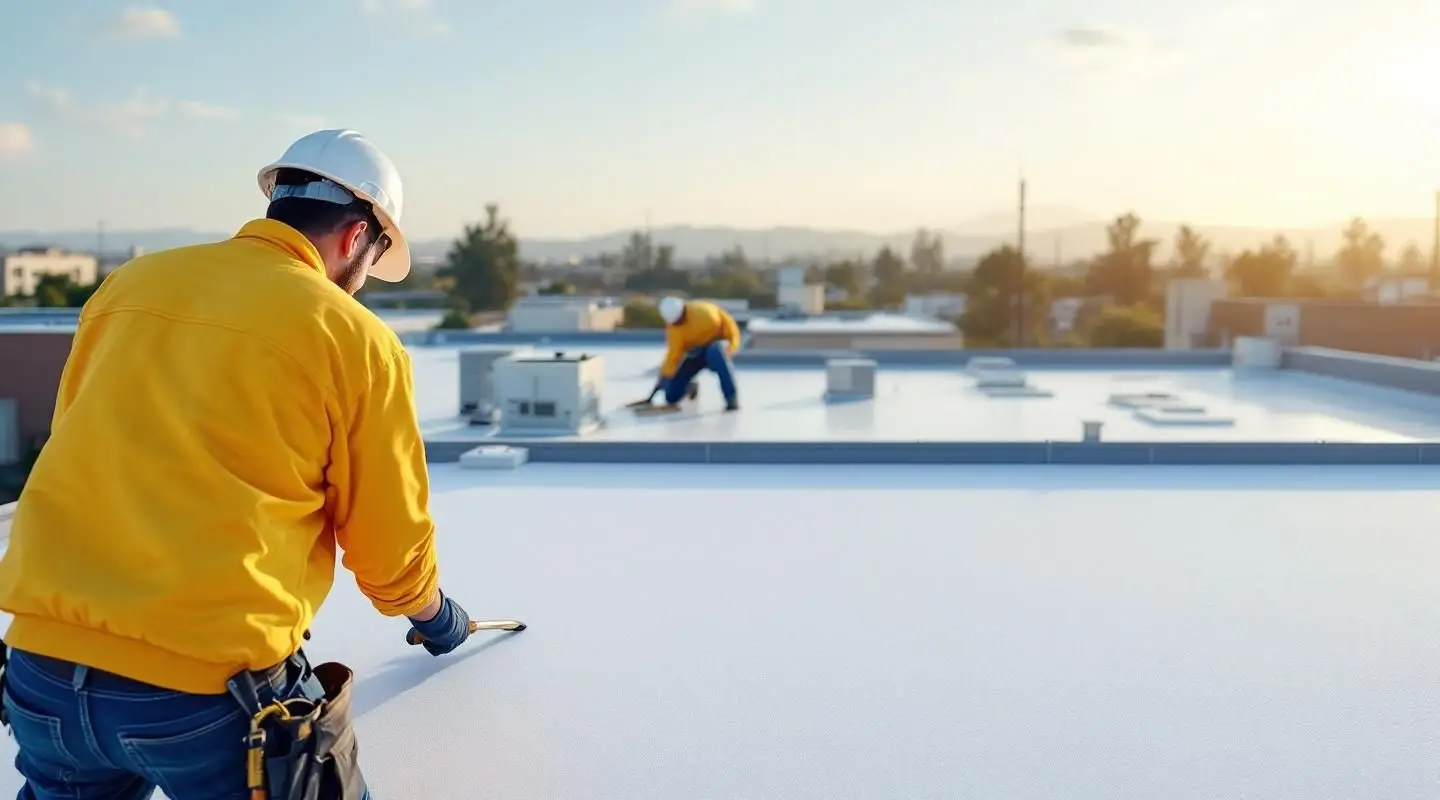
Commercial buildings in DeLand face a brutal combination of relentless UV radiation and sudden tropical downpours. You need a roof that doesn’t just sit there but actively works to protect your inventory, equipment, and daily operations. TPO roofing, or thermoplastic polyolefin membrane, has become the standard for flat and low-slope roofs across Volusia County because it balances cost-effectiveness with extreme heat resistance. Unlike older built-up systems, this single-ply roofing is engineered to reflect sunlight rather than absorb it, which is a game-changer for your cooling costs during a Central Florida July.
When we talk about TPO, we’re really talking about the integrity of the seams. Most leaks on a commercial roof don’t happen in the field of the membrane; they happen where the sheets meet or around parapet wall flashing. That’s why we focus so heavily on the heat-welded seams. By using robotic and handheld welders to fuse the material at the molecular level, we create a monolithic layer that is significantly stronger than taped or glued alternatives. Whether your facility requires a mechanically fastened system for speed or a fully adhered installation to maximize wind-uplift resistance, the goal is always a watertight seal that stands up to the Florida Building Code’s rigorous standards.
You also have to consider what’s happening beneath the surface. A great membrane is useless if it’s sitting on a failing roof deck substrate or if ponding water drainage hasn’t been addressed. We often recommend installing a tapered insulation board during a re-roofing project to ensure water actually makes it to your drains and scuppers. This isn’t just about following the rules; it’s about protecting your investment. If you are curious about how our crew handles these complex commercial projects, you can learn more about our company and our commitment to high-quality craftsmanship.
Choosing the right mil rating is another critical decision for your property. While a 45-mil membrane might meet the bare minimum, we often steer DeLand business owners toward 60-mil or 80-mil options for better puncture resistance and longevity. Florida’s intense UV exposure can degrade thinner materials faster than you’d expect. By specifying a thicker, ENERGY STAR rated roof, you’re not just buying a temporary fix; you’re securing a high cool roof coefficient that pays dividends in energy savings and reduced maintenance calls for years to come.
The primary benefit of a TPO roofing system is its exceptional resistance to the punishing Central Florida climate. Unlike older built-up systems that absorb heat, a reflective white membrane bounces UV rays away from your building, often resulting in an ENERGY STAR rated roof that slashes monthly cooling costs. For facility managers in DeLand, this isn’t just about environmental goals; it’s about the bottom line. When you choose a high-quality thermoplastic polyolefin membrane, you are investing in a material that remains flexible through thousands of thermal expansion cycles, preventing the brittle cracks and splits that plague less resilient flat roofs.
Beyond energy efficiency, the structural integrity of a TPO installation relies on its heat-welded seams. Rather than relying on adhesives that can degrade over time, we use specialized hot-air welders to fuse the sheets into a single, monolithic layer. This process creates a bond that is actually stronger than the membrane itself, providing a critical defense against the wind uplift common during our summer storm season. Whether your project requires a mechanically fastened system for speed or a fully adhered installation for maximum wind resistance, all our services are designed to ensure the roof deck substrate is properly prepared to handle Volusia County’s heavy rainfall and humidity.
Superior Heat Reflection — The bright white surface reflects up to 80% of solar radiation, keeping your commercial interior significantly cooler.
Leak-Proof Seams — Heat-welding creates a permanent, fused bond at every lap, eliminating the primary failure point found in traditional taped systems.
Mold and Algae Resistance — The chemical composition of TPO naturally resists biological growth, essential for low-slope roofs in Florida’s humid environment.
Flexible Installation Options — We specify various membrane thickness mil ratings (45, 60, or 80 mil) to match your building’s specific traffic requirements.
Puncture Protection — Modern single-ply roofing is engineered to withstand heavy rain, small hail, and the foot traffic required for HVAC maintenance.
In our Central Florida climate, you can typically expect a thermoplastic polyolefin membrane to provide reliable service for 15 to 25 years. The intense UV radiation in DeLand is the primary factor in material degradation, which is why we often recommend a higher membrane thickness mil rating, such as 60 or 80 mil, for better long-term durability. Proper installation of heat-welded seams is critical; if the seams aren’t fused correctly, the high humidity and heavy summer rains will find a way in long before the membrane itself fails. Regular inspections to clear debris from roof drains and checking for ponding water drainage issues can significantly extend this window. We always ensure our TPO Roofing installations meet the Florida Building Code requirements to handle local wind loads.
While both are single-ply roofing options, they handle the heat in DeLand very differently. EPDM is a black synthetic rubber that absorbs thermal energy, which can skyrocket your cooling costs during a Florida summer. In contrast, TPO Roofing is a reflective white membrane that stays much cooler to the touch. This high cool roof coefficient helps reduce the load on your HVAC system, often qualifying the building for an ENERGY STAR rated roof designation. TPO seams are also heat-welded, creating a physical bond that is generally stronger than the adhesive tapes used in EPDM systems. For most commercial property owners in our area, the energy efficiency and superior seam strength make TPO the practical choice for managing the local climate.
Pricing for TPO Roofing varies based on the complexity of your roof deck substrate and the attachment method chosen for your facility. A mechanically fastened system is often the most cost-effective for large warehouses, while a fully adhered installation provides better wind uplift resistance, which is vital in Volusia County. You also have to consider if you need a full tear-off or if we can install a new layer over your existing system. Adding a tapered insulation board to fix drainage issues will also impact the final quote. We recommend looking at all our services to see how we handle comprehensive roof replacements versus targeted repairs. Generally, you are paying for the mil thickness and the precision labor required to ensure every parapet wall flashing is watertight.
If you want to maximize your investment in DeLand, don’t settle for the industry-standard 45 mil. We strongly suggest at least a 60 mil membrane, and for high-traffic roofs or buildings with heavy rooftop equipment, 80 mil is even better. Thicker membranes offer significantly more protection against punctures and the surface weathering caused by our relentless sun. A thicker top ply means more material to resist UV degradation over two decades of exposure. When we sit down to discuss your TPO Roofing project, we will look at your specific building height and usage to determine if a ballasted TPO or a reinforced membrane is the right fit for your budget and your long-term property goals.
Yes, every commercial re-roofing project in DeLand requires a formal permit from the Volusia County building department. This ensures the TPO Roofing system meets the specific wind-speed requirements of our inland and coastal zones. As a Florida State Certified Roofing Contractor, we handle the entire permitting process for you, ensuring the specific products used carry a valid Florida Product Approval number. This isn’t just red tape; it is your assurance that the fasteners, insulation, and membrane are engineered to stay put during a major storm event. Skipping this step or hiring an unlicensed crew can lead to massive fines and might even void your commercial insurance policy if a hurricane causes damage to your structure.
Ready to upgrade your commercial facility with a high-performance TPO roofing system? Our experienced technicians specialize in the precise heat-welded seams and mechanical attachment methods required to meet Volusia County building codes. Whether you need a 60-mil thermoplastic polyolefin membrane for a retail center or a fully adhered system for a high-wind zone warehouse, we provide the technical expertise to ensure your investment lasts.
Stop worrying about ponding water or UV degradation. We offer comprehensive inspections and manufacturer-backed warranties that protect your bottom line. Reach out to Athens Roofing today for a detailed estimate and let us help you secure a cooler, drier future for your DeLand business.
At Athens Roofing, we recognize that a commercial TPO installation isn’t just a construction project; it’s a critical infrastructure investment for your DeLand business. Unlike national chains that subcontract labor to the lowest bidder, our team maintains direct control over every phase of the thermoplastic polyolefin membrane installation. We are a locally-owned firm with deep roots in Volusia County, meaning we don’t just work here—we live here and stand behind every heat-welded seam we produce. Our experienced technicians are trained specifically in single-ply roofing systems, ensuring your facility is protected against the unique thermal cycling and UV intensity of the Florida climate.
What truly sets Athens Roofing apart is our commitment to technical precision and manufacturer-authorized status. Many break-fix shops might offer a cheap quote, but they often lack the credentials to provide a No-Dollar-Limit (NDL) warranty. We specialize in both mechanically fastened and fully adhered systems, selecting the specific attachment method and membrane mil rating that best suits your building’s structural needs and wind-uplift requirements. By using tapered insulation boards to eliminate ponding water, we ensure your new roof meets the current Florida Building Code while maximizing the lifespan of the ENERGY STAR rated membrane.
For a commercial property in DeLand, the roof is more than just a lid; it’s a critical component of your operational overhead. Florida’s relentless UV radiation and high humidity can bake a standard dark roof until it reaches temperatures that force your HVAC system into a losing battle. Choosing a reflective white membrane like TPO isn’t just about aesthetics; it’s about creating an ENERGY STAR rated roof that actively repels heat rather than absorbing it. This single-ply roofing solution significantly lowers the cool roof coefficient of your building, meaning your facility stays cooler and your monthly energy expenditures drop. When you browse all our services, you’ll see that we prioritize materials that handle the local climate without degrading after just a few seasons of high-intensity sun exposure.
Beyond the thermal benefits, the structural importance of a TPO system lies in its heat-welded seams. Unlike older systems that rely on adhesives or tapes—which eventually dry out, crack, and peel—TPO sections are fused together with hot air to form a monolithic, waterproof layer. This is vital during Volusia County’s heavy summer thunderstorms, where ponding water drainage can become a serious issue on flat surfaces. If your roof deck substrate isn’t protected by a properly installed, mechanically fastened system or a fully adhered installation, a single puncture or a failed seam can lead to undetected leaks. These leaks often hide behind parapet wall flashing, slowly rotting the structure or damaging expensive equipment before you ever see a drip on an interior ceiling tile.
Investing in a high-quality thermoplastic polyolefin membrane also serves as a long-term risk management strategy for your business. In a commercial environment, a roof failure doesn’t just mean a repair bill; it means potential business disruption, damaged inventory, and liability concerns. By specifying a higher membrane thickness mil rating—such as 60 or 80 mil—you are essentially buying time and durability against Florida’s stringent wind-speed requirements. A properly designed system with a tapered insulation board ensures that water moves toward the drains rather than sitting in stagnant pools that accelerate membrane breakdown. It’s the difference between a roof that lasts twenty years and one that requires emergency intervention after the first major tropical system of the season.
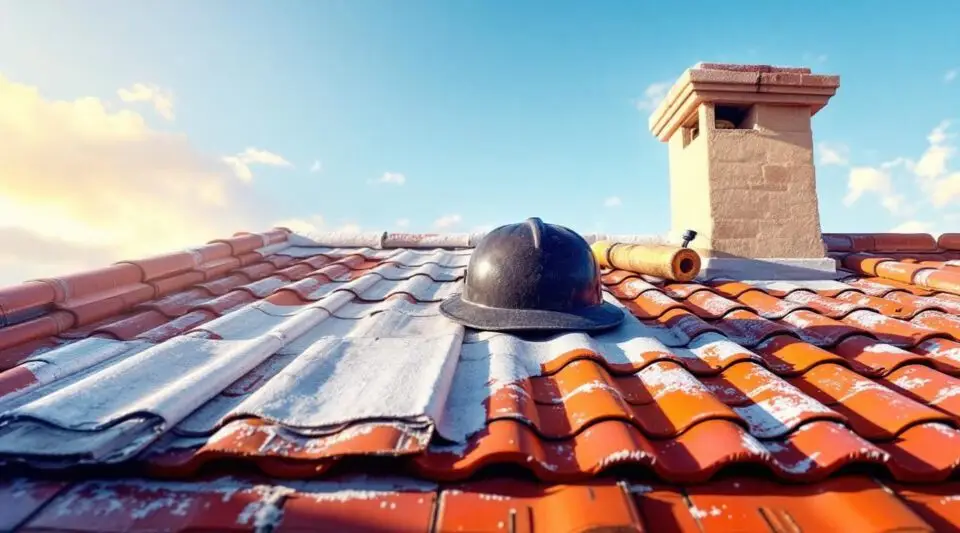
Commercial Spanish tile roofing in DeLand is a significant structural undertaking that demands more than just an eye for Mediterranean aesthetics.
Learn moreThe roofers showed up on time, worked hard all day, and finished the project ahead of schedule. They even cleaned my gutters and swept the driveway after that. The whole process went smoothly since they were fair, on time, and proud of their work.
Ida Pape
We had some damage from a storm, and they replaced the roof shingles. The work was done quickly, and the new roof looks great!
Rosemary Polson
After years of mending, we finally got a new roof. The staff showed up on schedule every day, did a great job of cleaning up, and the new shingles look great. The whole thing went more smoothly than I thought it would. Definitely recommend for work on a full roof replacement.
Sri Suryaningsih
A lot of rain caused several areas of our roof to start leaking. The roofing specialist came to the house, located the leaks, and suggested remedies that would last a long time and work well. The crew did a terrific job, cleaned up after themselves, and gave advice on how to keep the area looking beautiful in the future. The repairs have lasted a long time, and the whole operation was easy and stress-free.
Ali Gilliam
They saw damage on the roof that wasn't obvious at first. The repair they did has held up quite well in the storms we've endured recently.
William Epstein