- (386) 749-3983
- 2612 South Woodland Boulevard, DeLand, FL 32720
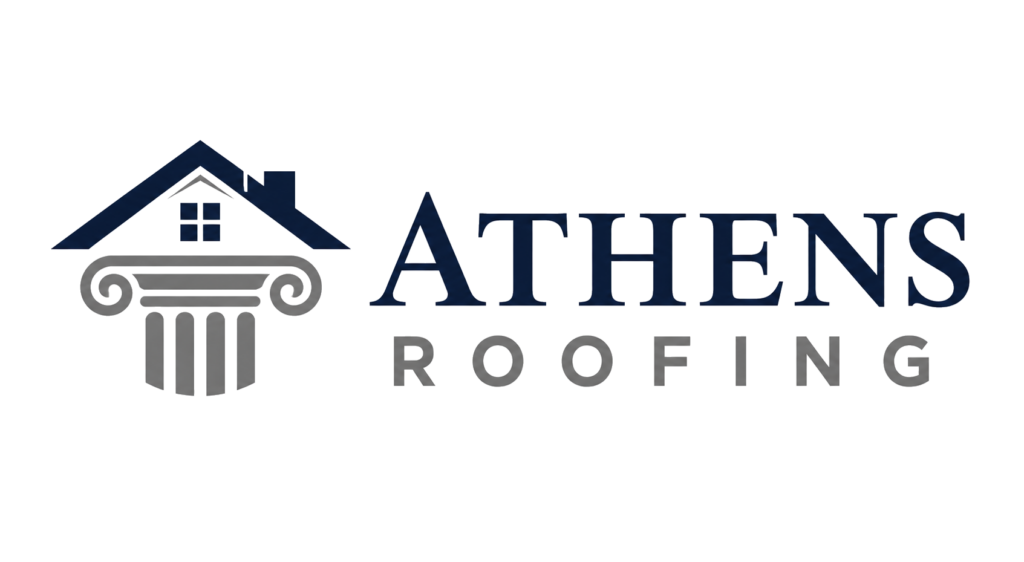
EPDM roofing, or ethylene propylene diene monomer, has earned its reputation as the workhorse of the commercial sector for good reason. In DeLand, where the subtropical sun beats down on flat roof membranes year-round, this synthetic rubber provides a level of thermal shock resistance that few other materials can match. You aren’t just buying a waterproof layer; you are investing in a flexible shield that expands and contracts without cracking as temperatures fluctuate from afternoon thunderstorms to humid evenings. Whether your facility is a retail storefront or a large warehouse, understanding how a 60-mil membrane protects your assets is the first step toward long-term structural health.
When we sit down with facility managers in Volusia County, the conversation usually turns to membrane thickness and attachment methods. While a 45-mil membrane is a common entry point, we often recommend the 60-mil membrane for properties that see regular foot traffic or house sensitive equipment. You have to decide between a fully adhered system, which uses high-strength lap splice adhesive across the entire substrate, or a mechanically fastened system. In high-wind zones like Central Florida, the fully adhered approach is often the superior choice because it virtually eliminates the risk of wind uplift during our intense hurricane seasons.
Longevity isn’t just about the initial install; it’s about how the system handles the inevitable ponding water and UV exposure. Over time, even the toughest rubber roof repair needs might arise, particularly around drain flashing or parapet wall terminations where the membrane is under the most stress. Our experienced technicians focus heavily on the integrity of EPDM seam tape and specialized adhesives to ensure those critical transition points don’t become liabilities. By choosing a material known for its decades-long service life, you reduce the total cost of ownership and avoid the frequent disruptions that come with less durable low-slope roofing options.
We know that a roof replacement is a significant capital expenditure that can feel overwhelming. That is why we emphasize transparency in our bidding, itemizing everything from the ballasted installation details to the specific Florida Building Code requirements for your zone. You deserve a roof that doesn’t just pass inspection but actually performs when the clouds turn gray and the wind picks up. Our goal is to provide a system that remains watertight and worry-free, allowing you to focus on running your business while we handle the overhead protection.
When you’re managing a commercial facility in DeLand, the relentless UV exposure is your roof’s primary enemy. Ethylene propylene diene monomer, or EPDM, is engineered specifically to withstand this kind of thermal stress without cracking or becoming brittle. Unlike some thermoplastic options that can degrade over decades of Florida heat, a 60-mil membrane provides a thick, rubberized barrier that remains flexible through thousands of expansion and contraction cycles. This flexibility is critical for low-slope roofing where the structure moves as temperatures shift from a midday 95 degrees to a rainy afternoon cool-down.
Choosing a fully adhered system means the membrane is bonded directly to the substrate, which significantly improves wind-uplift resistance—a vital factor during our local hurricane season. You also benefit from the material’s inherent repairability; even after twenty years, a technician can use EPDM seam tape and lap splice adhesive to bond new patches to the old surface, extending the life of your asset without a full tear-off. If you are researching all our services to compare flat roof options, you’ll find that EPDM often offers the lowest total cost of ownership due to these simple maintenance requirements and its long-term stability.
UV Stability — The black or white rubber formulation naturally resists the ozone and radiation that causes other materials to fail prematurely in Central Florida.
Superior Flexibility — The membrane maintains its elongation properties even in extreme temperatures, preventing cracks around parapet wall terminations.
Simplified Maintenance — Rubber roof repair is straightforward, allowing for targeted fixes to seams or punctures that save you from premature replacement costs.
Wind Resistance — When installed as a fully adhered system, EPDM provides exceptional protection against the high-velocity winds common in Volusia County.
Impact Resistance — The density of a 60-mil membrane offers a robust defense against wind-driven debris and hail during severe afternoon thunderstorms.
In DeLand, a properly installed EPDM Roofing system generally provides a service life of 20 to 30 years. However, the intense Florida sun accelerates the degradation of the ethylene propylene diene monomer if it isn’t maintained. We often recommend a 60-mil membrane for commercial properties here because the extra thickness handles the thermal expansion and contraction better than thinner options. If you notice the membrane shrinking or pulling away from parapet wall terminations, it’s a sign that the material is reaching the end of its functional life. Regular inspections help you avoid the sudden interior damage that occurs when an aging system finally gives way during a summer thunderstorm.
Choosing between a 45-mil and a 60-mil membrane is one of the most important decisions for your facility’s long-term budget. While 45-mil is the entry-level standard, the 60-mil option offers significantly higher puncture resistance and durability against wind-driven debris during hurricane season. For most commercial EPDM Roofing projects in DeLand, the labor cost is nearly identical regardless of thickness, so the small increase in material cost for a thicker membrane pays for itself by extending the roof’s life by several years. You can learn more about local building requirements at the Volusia County Permitting Office to see how these standards apply to your specific structure.
You don’t always need a full tear-off just because you found a leak. If the bulk of your EPDM Roofing membrane is still flexible and hasn’t suffered widespread “alligatoring” from UV exposure, we can often perform targeted rubber roof repair. We look for specific failure points like failing EPDM seam tape or loose drain flashing. However, if the underlying insulation is saturated from long-term ponding water, a re-cover or full replacement is usually the only way to protect your building’s structural integrity. The experienced technicians on our team can provide a documented condition report to help your procurement team make an informed choice based on the actual state of the substrate.
Seams are the most vulnerable part of any low-slope system. In Central Florida, the extreme heat causes the membrane to expand and contract daily, which puts immense stress on the lap splice adhesive. Over time, the adhesive can cure and become brittle, leading to “fish-mouth” openings where water can enter. When we fix these, we don’t just slap on a patch; we clean the area thoroughly and use high-quality EPDM seam tape to create a permanent bond. If your facility manager spots any lifting at the edges of the membrane, it’s critical to address it before the next named storm hits DeLand and turns a small seam gap into a major flood.
Pricing for EPDM Roofing in DeLand varies based on the attachment method and the complexity of the roof deck. A fully adhered system, where the membrane is glued down entirely, costs more in labor and materials than a mechanically fastened system but offers superior wind-uplift resistance. You should also account for “details” like parapet wall termination bars and new drain flashing, which are often overlooked in low-ball bids. Generally, you can expect a range based on the square footage and whether a full tear-off is required by the Florida Building Code. We always provide itemized quotes so you can see exactly where your investment is going, from the 60-mil membrane itself to the safety equipment required for OSHA compliance.
Your commercial property in DeLand faces a relentless cycle of UV exposure and sudden tropical downpours that test the limits of any low-slope roofing system. Choosing a 60-mil ethylene propylene diene monomer membrane provides the heavy-duty barrier your facility needs to prevent costly interior damage. Whether you require a fully adhered system for maximum wind resistance or a targeted repair to secure failing seams, our team provides the technical expertise to keep your operations dry.
Don’t wait for a minor ponding issue to become a major structural headache. We provide detailed condition reports and honest assessments to help you decide between a membrane re-cover or a full replacement. Reach out to Athens Roofing today to schedule a professional inspection and get a clear, itemized estimate for your EPDM project.
Selecting a contractor for a low-slope commercial project involves more than just comparing bottom-line numbers. At Athens Roofing, we distinguish ourselves by focusing on the specific environmental stressors found in Central Florida. While a national chain might use a one-size-fits-all approach, our experienced technicians live and work in DeLand, meaning we have firsthand knowledge of how the subtropical sun degrades 45-mil membranes prematurely. We prioritize 60-mil ethylene propylene diene monomer systems because they offer the puncture resistance and thermal stability required to survive our local hurricane seasons and intense afternoon thunderstorms.
We also differ from generic “break-fix” shops by providing comprehensive documentation and professional permitting for every commercial job. Athens Roofing handles the entire Volusia County building permit process and ensures every installation meets Florida Building Code Chapter 15 provisions for wind-uplift resistance. We do not just roll out rubber; we meticulously detail drain flashings and parapet wall terminations to prevent the common seam failures that plague lesser installations. When you choose us, you are partnering with a locally-owned company that stands behind its work with clear, itemized quotes and a commitment to minimal business disruption during the project.
Ignoring a maturing flat roof membrane is a gamble that rarely pays off in Central Florida. Between the relentless UV exposure in DeLand and the sudden pressure of a summer downpour, your commercial roof is under constant thermal stress. When an ethylene propylene diene monomer (EPDM) system begins to age, the most common failure points aren’t in the field of the roof, but at the seams and terminations. Small cracks in the EPDM seam tape or a slight lift in the parapet wall termination can allow water to migrate under the membrane long before you see a drip in the warehouse or office.
Choosing the right specifications, such as a 60-mil membrane over the standard 45-mil, is a decision that impacts the next two decades of your building’s life. In our experience, a fully adhered system provides superior resistance to the wind-uplift forces common during hurricane season compared to ballasted installations. If you are managing a property, understanding these nuances helps prevent the catastrophic interior damage that occurs when a membrane fails during a named storm. You can learn more about our team and our approach to high-performance commercial systems to see how we prioritize durability over quick fixes.
Beyond just keeping the rain out, a well-maintained low-slope roofing system protects your actual business operations. A single leak over a server room or a retail floor doesn’t just cost the price of a rubber roof repair; it costs you downtime, potential liability, and tenant trust. We often see facility managers struggle with ponding water issues that, if left unaddressed, accelerate the degradation of the lap splice adhesive. By addressing these “minor” issues through a professional inspection, you extend the total service life of the asset and avoid the massive capital expenditure of a premature full replacement.
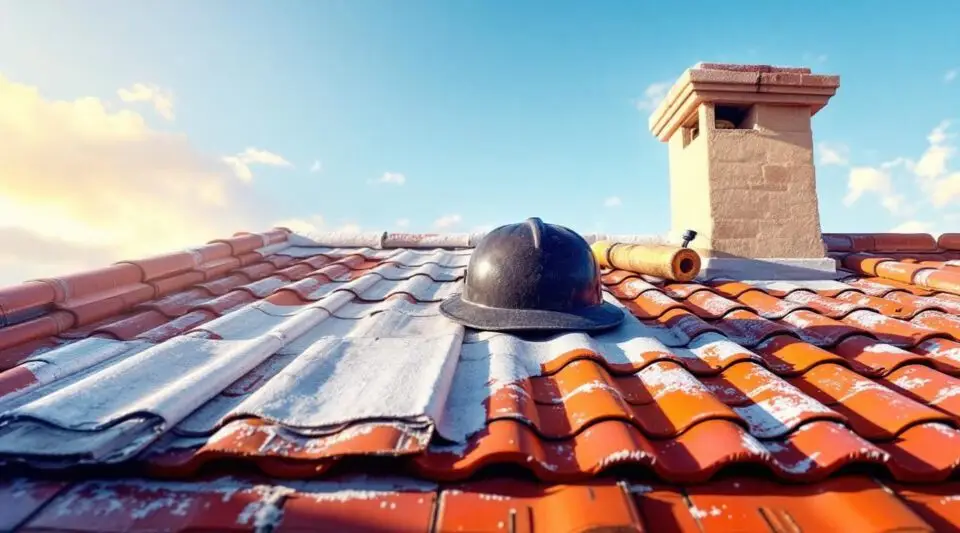
Commercial Spanish tile roofing in DeLand is a significant structural undertaking that demands more than just an eye for Mediterranean aesthetics.
Learn moreWe had some damage from a storm, and they replaced the roof shingles. The work was done quickly, and the new roof looks great!
Rosemary Polson
They saw damage on the roof that wasn't obvious at first. The repair they did has held up quite well in the storms we've endured recently.
William Epstein
The roofers showed up on time, worked hard all day, and finished the project ahead of schedule. They even cleaned my gutters and swept the driveway after that. The whole process went smoothly since they were fair, on time, and proud of their work.
Ida Pape
A lot of rain caused several areas of our roof to start leaking. The roofing specialist came to the house, located the leaks, and suggested remedies that would last a long time and work well. The crew did a terrific job, cleaned up after themselves, and gave advice on how to keep the area looking beautiful in the future. The repairs have lasted a long time, and the whole operation was easy and stress-free.
Ali Gilliam
After years of mending, we finally got a new roof. The staff showed up on schedule every day, did a great job of cleaning up, and the new shingles look great. The whole thing went more smoothly than I thought it would. Definitely recommend for work on a full roof replacement.
Sri Suryaningsih